avant 1261
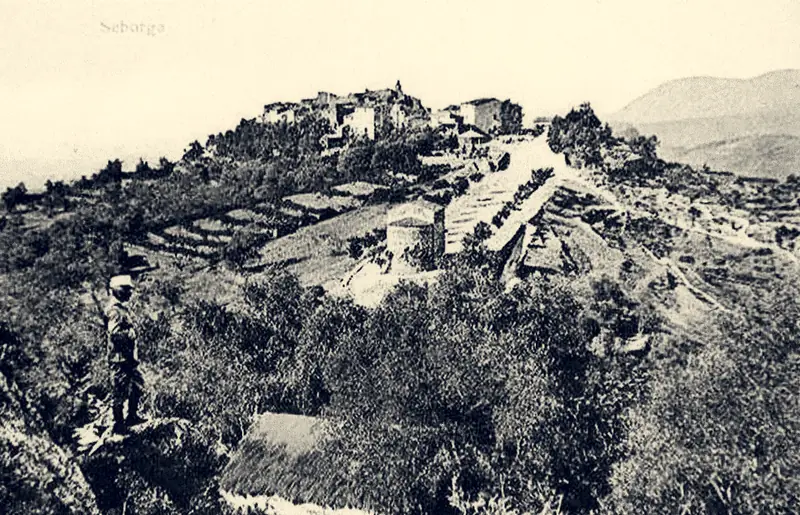
Castrum Sepulchri
Sur les hauteurs dominant la côte ligure se dressait le Castrum Sepulchri — le siège fortifié d’où commence l’histoire de Seborga, avant que les moines n’en assument le gouvernement.
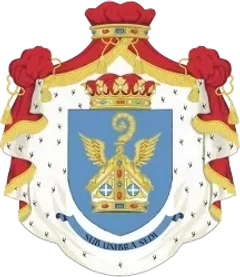
Sub umbra sedi
Tradition, culture et vision européenne. Le Sabourg représente une communauté historique de la Méditerranée occidentale, engagée dans la valorisation de son patrimoine culturel, la promotion du dialogue international et le développement d’initiatives tournées vers l’avenir.
Une histoire qui traverse les siècles
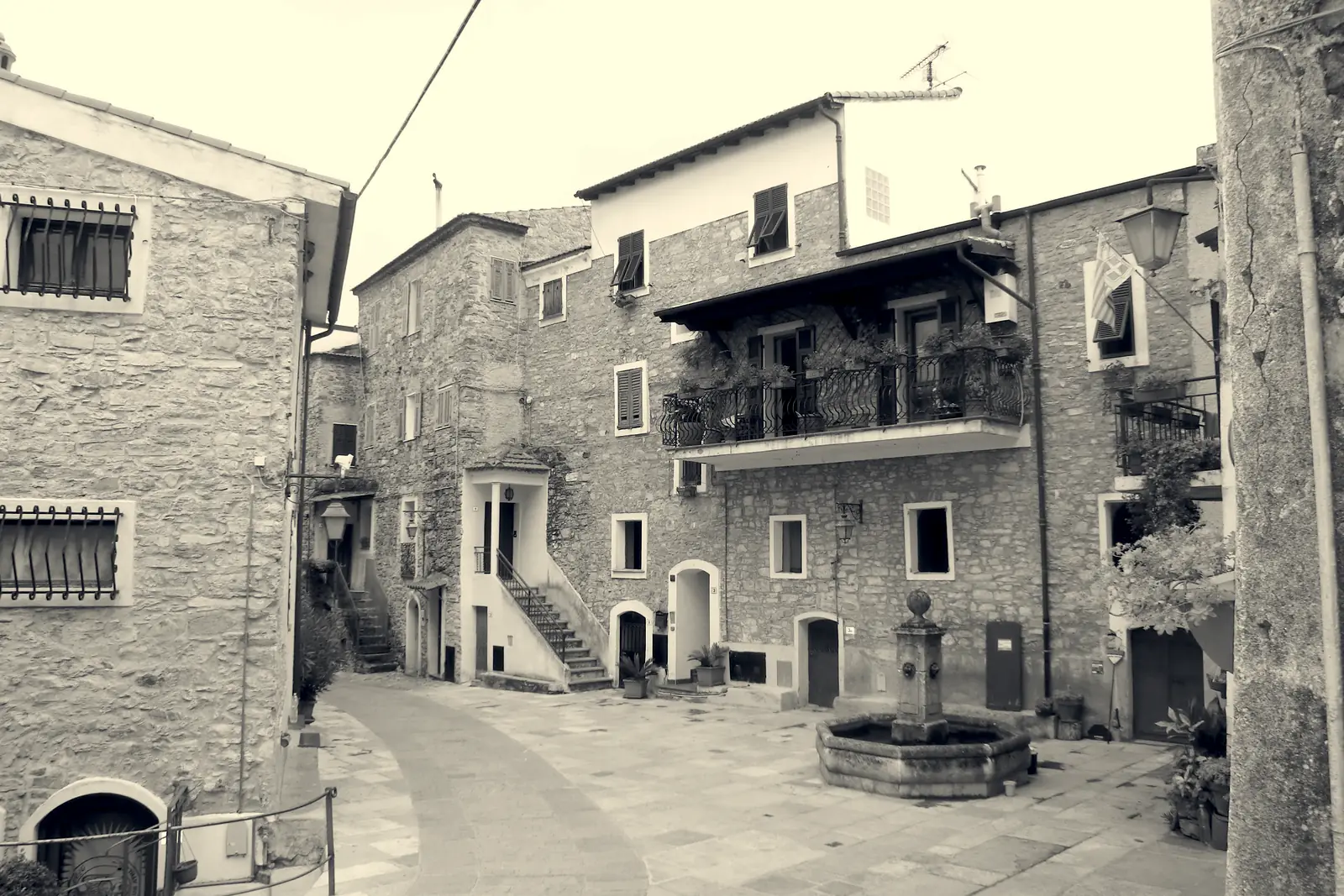
Les racines historiques du Sabourg s’inscrivent dans le patrimoine culturel de la Ligurie occidentale. À travers les siècles, le territoire a développé une identité forte, conservant des traditions, une architecture et des valeurs qui caractérisent aujourd’hui encore sa vie publique et culturelle.
Découvrir le Sabourg

La Monarchie
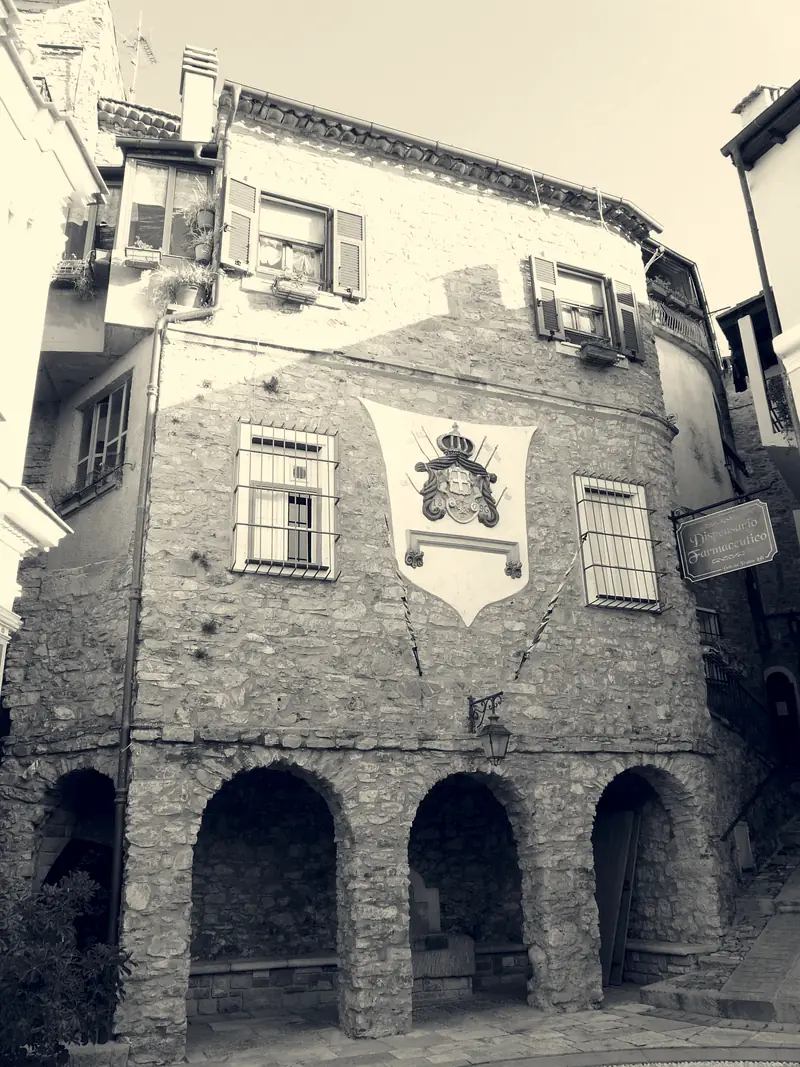
La continuité historique et religieuse de la Principauté est portée aujourd’hui par Monseigneur Giovanni Luca Pietro II, élu quatre-vingt-onzième souverain le 29 septembre 2019 et couronné par un prélat orthodoxe le 28 décembre de la même année.
Sous son autorité, l’État abbatial préserve sa vocation monastique : le Prince-Abbé est, par antique coutume, un homme de religion. La devise du royaume — Sub umbra sedi, « Je me suis assis à son ombre » — s’inspire du Psaume 91 : ceux qu’abrite le Très-Haut reposent à l’ombre du Tout-Puissant.
Sept siècles
Quatre âges d’un État qui a refusé de disparaître.
Affaires d’État
La Principauté expose ses propres objectifs devant la communauté internationale. Chacun est une demande de l’entité elle-même — une déclaration d’intention, non une reconnaissance accordée.
Le Prince-Abbé a souscrit à la Charte des Nations Unies du 26 juin 1945 et a adressé à son Secrétaire général une demande d’admission de la Principauté comme État membre.
Le 4 novembre 2020, une demande formelle fut adressée au Président du Conseil des ministres de la République italienne, invoquant l’article 5 de la Constitution, en vue d’un accord bilatéral et d’une autonomie spéciale.
La Principauté invite les micro-États de la communauté internationale à instituer une Organisation des Micro-États Unis — un organe proposé pour la coopération entre les plus petits États du monde.
Souveraineté numérique
La Principauté étend sa chancellerie à l’ère numérique. Par l’e-Résidence, les amis du Sabourg du monde entier peuvent s’enregistrer auprès de l’État, détenir une carte d’e-Résidence et prendre place dans l’e-Registre du royaume.
Relations internationales
Le Sabourg entretient des relations culturelles et institutionnelles avec des organisations, des communautés et des partenaires internationaux engagés dans la protection du patrimoine historique et la coopération entre les peuples.
Tous les avis sont les déclarations propres de la Principauté, reproduites à partir de son registre officiel.